On the far reaches of the Pacific Ocean, blue-green islands, atolls, and coral reefs are thriving with a dizzying array of wildlife and tropical beauty, largely untouched by humans and currently protected as marine national monuments. Ocean Paradise brings viewers to never-before-seen footage of these remarkable places, sharing the splendor of such pristine environments and their important role in safeguarding our planet.
Ocean Paradise features Palmyra Atoll, within the Pacific Remote Islands Marine National Monument, Midway Atoll, part of Papah ̄anaumoku ̄akea Marine National Monument, and Rose Atoll Marine National Monument, in American Samoa. The film’s breathtaking footage of these faraway islands leaves audiences with a deep-felt appreciation for these extraordinary places and the beauty of nature left untouched by civilization. The storied histories of these atolls—from the WWII Pacific Theater to their present environmental recovery and ecological research initiatives—provide the platform from which the film explores a diversity of science and human-interest stories.
Ocean Paradise seeks to educate the public about the critical role these marine monuments play in the face of environmental threats suchs as climate change, global warming, rising sea levels, ocean acidification, overfishing, and plastics pollution. Changes to current marine national monument protections could forever alter the delicate balance of these pristine marine ecosystems and the overall health of the planet.
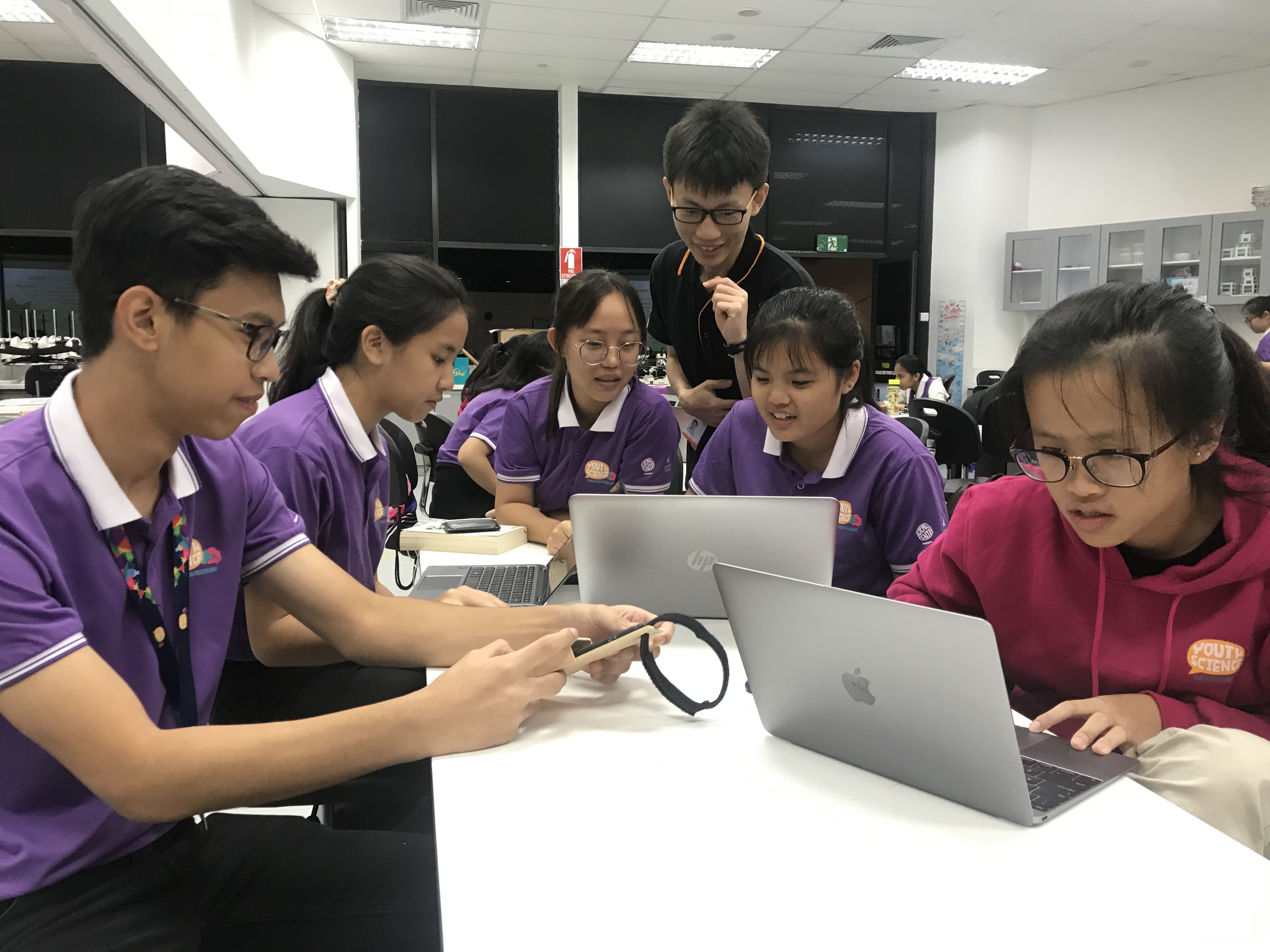
Discussion Guide
Simple conversational prompts to guide students’ reflection
E-worksheet
Printable worksheet to reinforce student’s learning
Content for Every Level
Primary Science
Secondary Science
Adaptive Thinking
Encourages students to think of Earth as a complex system where imbalance in any part can cause an unintended consequence in other parts. The film presents the effect of change and human intervention in Earth's Ocean, and the effort conservationists use to remediate some of the harm. What further actions can individuals and communities take to protect marine ecosystems?
Communication, Collaboration and Information Skills
Encourages students to use evidence from the film to communicate the reality and impacts of climate change, collaborate with peers and community members, and plan or implement actions that promote sustainable practices and inspire collective responsibility.